Tuesday, April 9, 2013
Joy in the little things
In case you missed it, today I was honored to be a guest post at A practical wedding, writing about my journey these last 3 and a half years: life changes, unemployment, subfertility, and slowly, learning to find the joy in the little things. Here it is...
Public service announcement: Go get Ice-cream
In case you did not know... it is that time of the year. The day where you can get free ice-cream at Ben & Jerry's worldwide. If you are in the Netherlands click here to see in a map where you can get your free ice-cream (per province). The Ben & Jerry's at Amsterdam Centraal train station (on track 2a) has a shop that will be open. Otherwise, for the rest of the world, here you can get more information. And, I absolutely love this video about the story of such a joyous day!
Monday, April 8, 2013
Naar de kinderboerderij. Or the classic post with lambs.
You know it really is Spring when the lambs are here. One of my favorite places to visit in The Netherlands are the "Kinderboerderijen" or petting farms. They are meant for children, but, as I am a 5-year-old at heart who loves animals, you can imagine how happy these places make me. But, really, is there anything cuter than freshly born, cute little fluffy sheep? Well, maybe cows, but that is just me who finds them sweet. We went biking along the farms and canals, saw windmills and stopped for a classic pancake and ice-cream (even if it was still kind of chilly, though, I've got to recognize, also quite sunny). How was your weekend? Do you have any place
Friday, April 5, 2013
Serve the city Den Haag
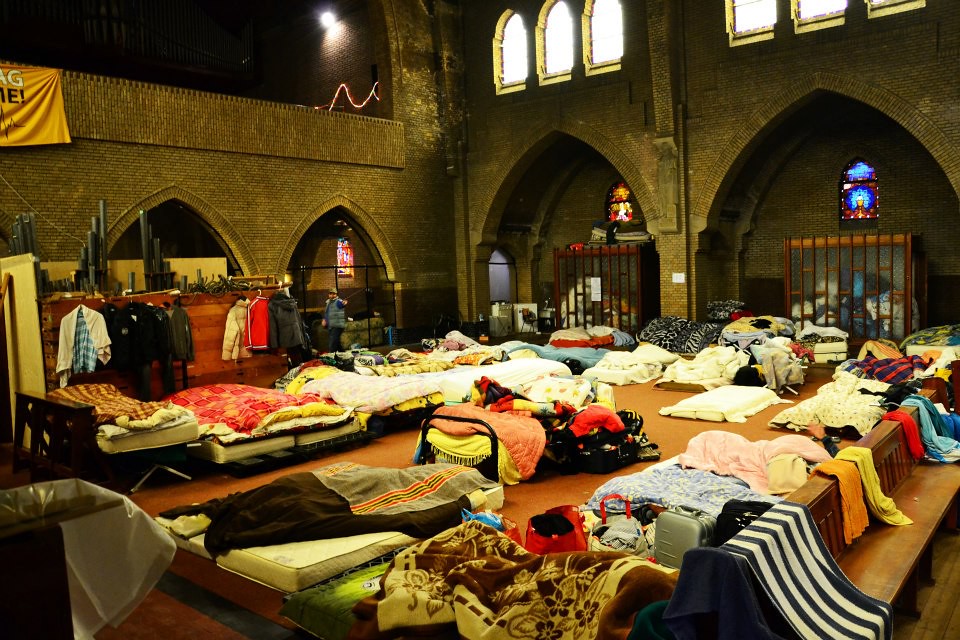
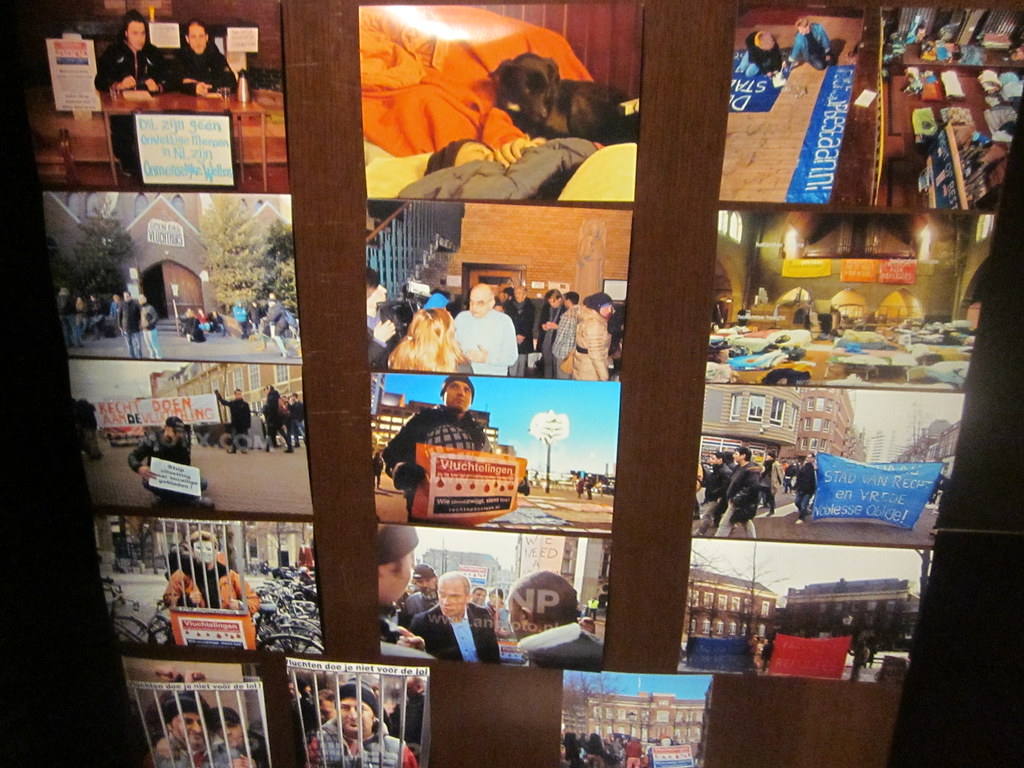
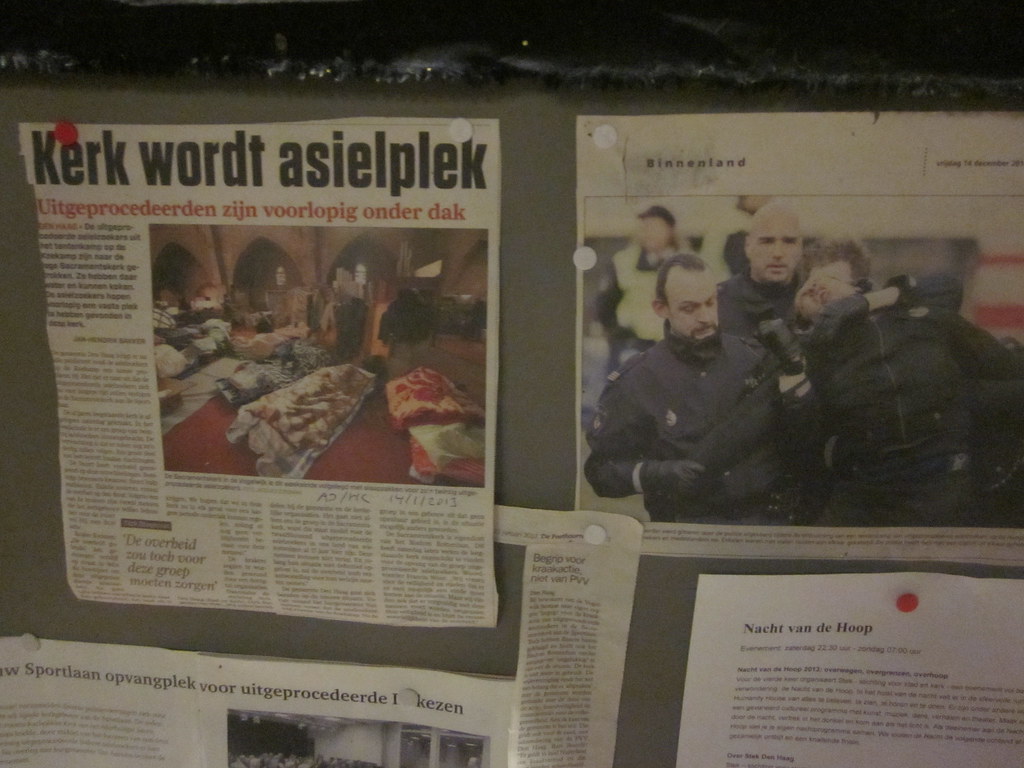
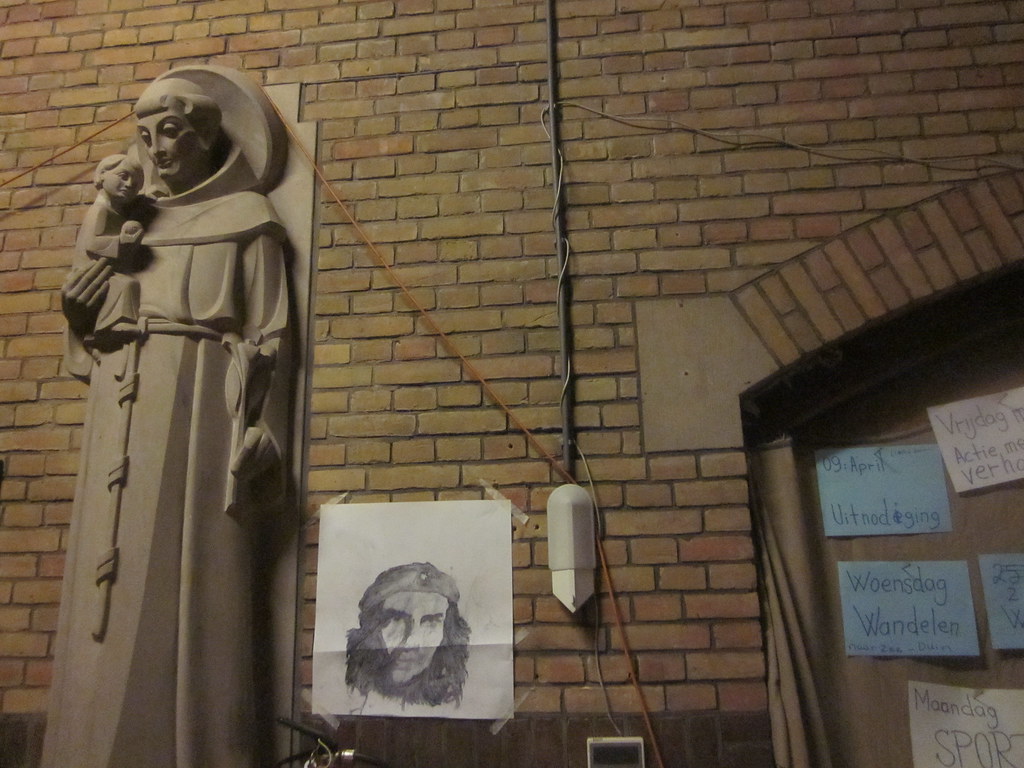
I am always in awe at Fiona's kindness and wise words. She is a living example of how to make a difference in your community, an expert at showing how little gestures, like simple company, massaging someone's hands or bringing cake or flowers to a friend at a random moment can make a huge difference. We never know what each of us is going through at any given moment and the little things can bright up anyone's gloomy day. When she wrote about an oganization called "Serve the City" I knew I had to find it. And I did. Last weekend we joined one of their programmed activities, helping out at Sacrament's Church. Since January, about 25 asylum seekers, mostly Iraqi Kurds, are staying at the Sacrament Church in The Hague. The Ministry of Security and Justice confirms that these refugees would not be forced to leave the country.
The tasks consisted in helping these men and women with a couple of handyman jobs to make the lives of them easier in the church. I never realized, but a church can be a very very cold place. At this moment, there is a common area that is well warmed (where they have a TV and even a playstation), but most of the people are sleeping in the main hall. At this moment they are building some rooms with simple insulation so that they can be warm at night. I brought 2 boxes of muffins (that everybody loved, I was glad to see) and as soon as we arrived we found ways in which to make ourselves helpful.
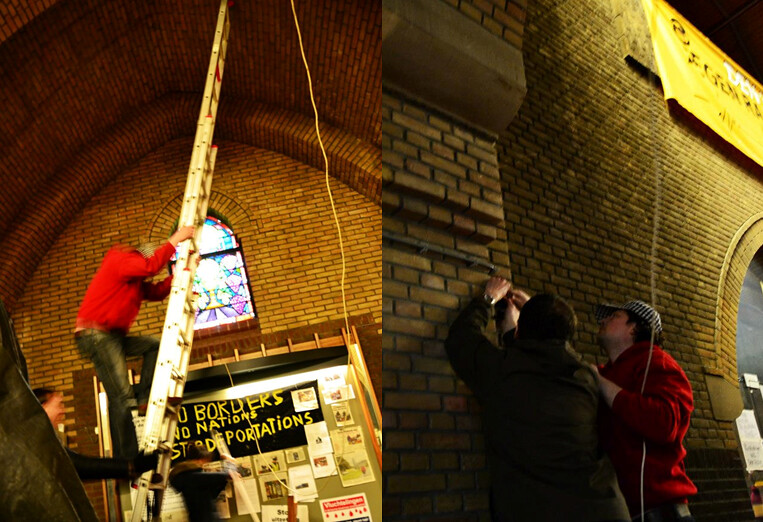
Churches can be very dark places. As soon as we got there, the boy, electrical engineer that he is, took his Voltmeter out, opened the electricity boxes and figured out if all was working. Then, with some other people involved in lighting up the place, he worked in setting up a connection to light at least half of the church.
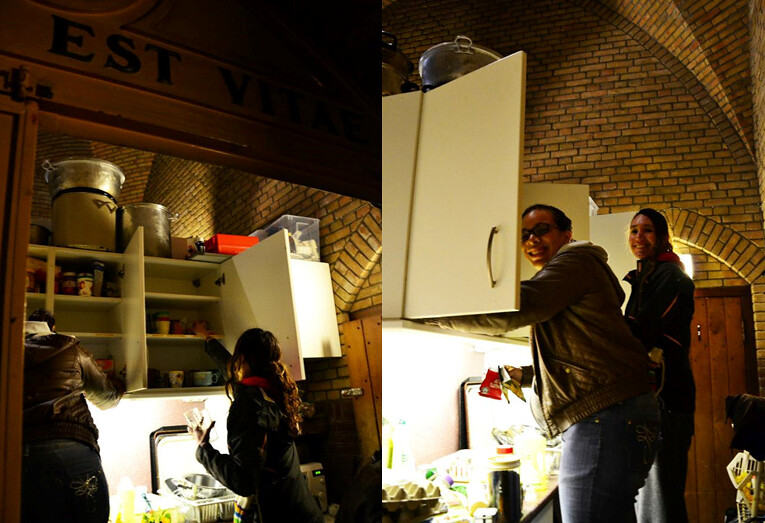
I was worried I was not going to be able to do anything, as I am not handy at all and DIY-ing is not something I am good at. But we quickly found out that the kitchen was disaster area: all the cabinets were mixed, dusty, and it seemed everything had just been thrown in at random. So, together with another girl, we took everything out, washed dishes, cleaned the cabinets and organized it in a logical manner. It does not seem like a lot, but it took us some 4 hours. The rest of the time was spent sharing lunch that some other volunteers had brought with the refugees and talking about their countries, what they miss, their dreams.
The boy, who takes every project as a challenge, and as soon as something needs to be fixed absolutely has to solve it, is already figuring out how to help out to optimize the lighting (on the other side). It felt good to be able to help, if on rather small ways, to their comfort. And it all made me think on how arbitrary borders are, as men have been migrating since the dawn of times, and everyone should be free to move as they please, more so when faced to war or other situations that I can not even begin to imagine. It made me think of how, in the middle ages, churches actually used to be places of refuge for people on long journeys.
Wednesday, April 3, 2013
Ishtar. Spring. Ducks.
I know I am a bit late with this... but I had one of those Eureka moments when I realized that Ishtar, the Assyrian and Babylonian goddess of fertility, love, sex and war gave rise to words like Oestre, Estrus, Estara, and, yes, Easter. Suddenly, it all made sense. I had read about this goddess, and her cultural equivalents Astarte, Isis and Cybeles to name just a few that spring to mind, but I had never made this (now obvious) relationship. No wonder we look for eggs and bunnies on Easter. I feel like the kids in South Park when they go around trying to unveil the relationship between Jesus and the bunny. I really, truly hope this will all mean renewal, life, birth and hope as translated in our lives. At least Spring seems to finally have arrived (I don't want to say settled, because, who am I kidding?) in Northern Europe. We have had two straight days of sunshine and blue skies.
Monday, April 1, 2013
Resurrection men, doctors & dissection (at the Museum of London)
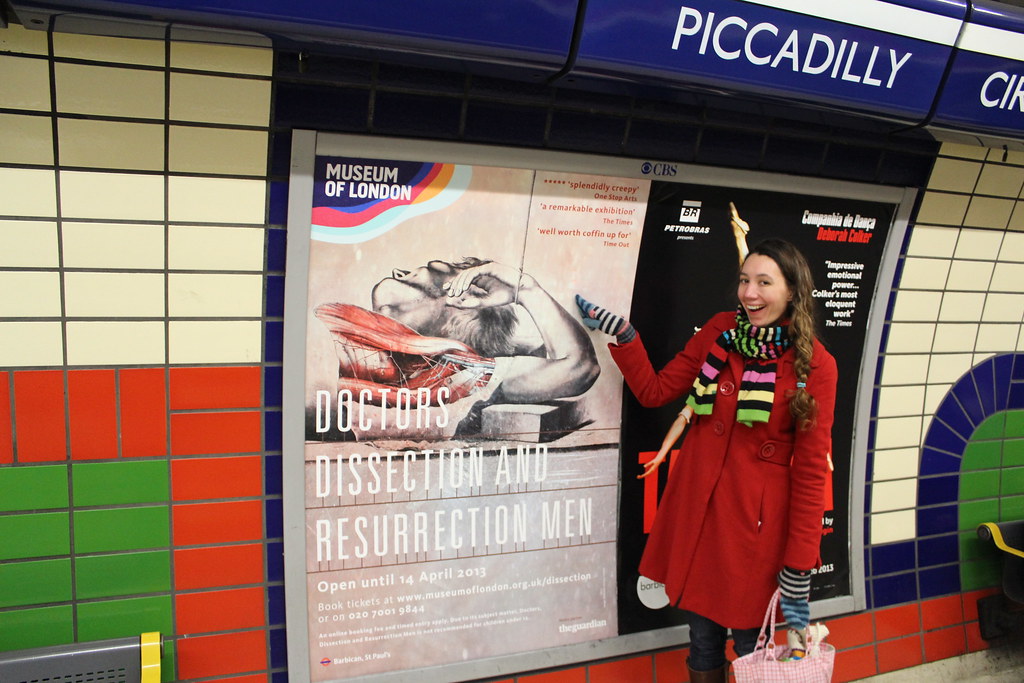
When we were in London last January, it kept snowing. This meant that instead of walking and walking through the city, for hours, we spent a lot more time indoors than we usually do when we visit a new city. So, we went to several expositions, one of which I got very excited about. As you know I have a soft spot for Science and Medical museums, so when I saw there was an exposition at the Museum of London called 'Doctors, Dissection and Resurrection men' I was very curious.
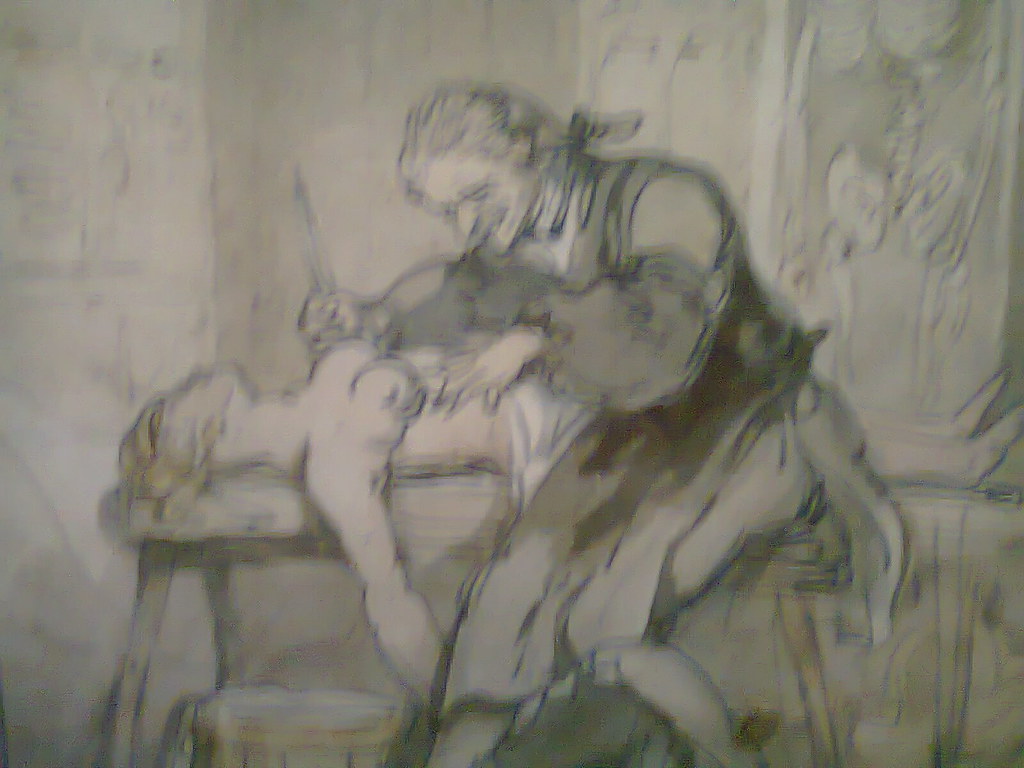
"In 2006, Museum of London archaeologists excavated a burial ground at the Royal London Hospital in Whitechapel. What they found was both extraordinary and unexpected. The excavation revealed some 262 burials. In the confusing mix of bones was extensive evidence of dissection, autopsy and amputation, bones wired for teaching, and animals dissected for comparative anatomy. Dating from a key period – that of the Anatomy Act of 1832 – the discovery is one of the most significant in the UK, offering fresh insight into early 19th century dissection and the trade in dead bodies. Now, 180 years later, you can uncover this intriguing story in Doctors, Dissection and Resurrection Men, a major exhibition at the Museum of London. Bringing together human and animal remains, exquisite anatomical models and drawings, documents and original artefacts, the exhibition reveals the intimate relationship between surgeons pushing forward anatomical study and the bodysnatchers who supplied them; and the shadowy practices prompted by a growing demand for corpses."
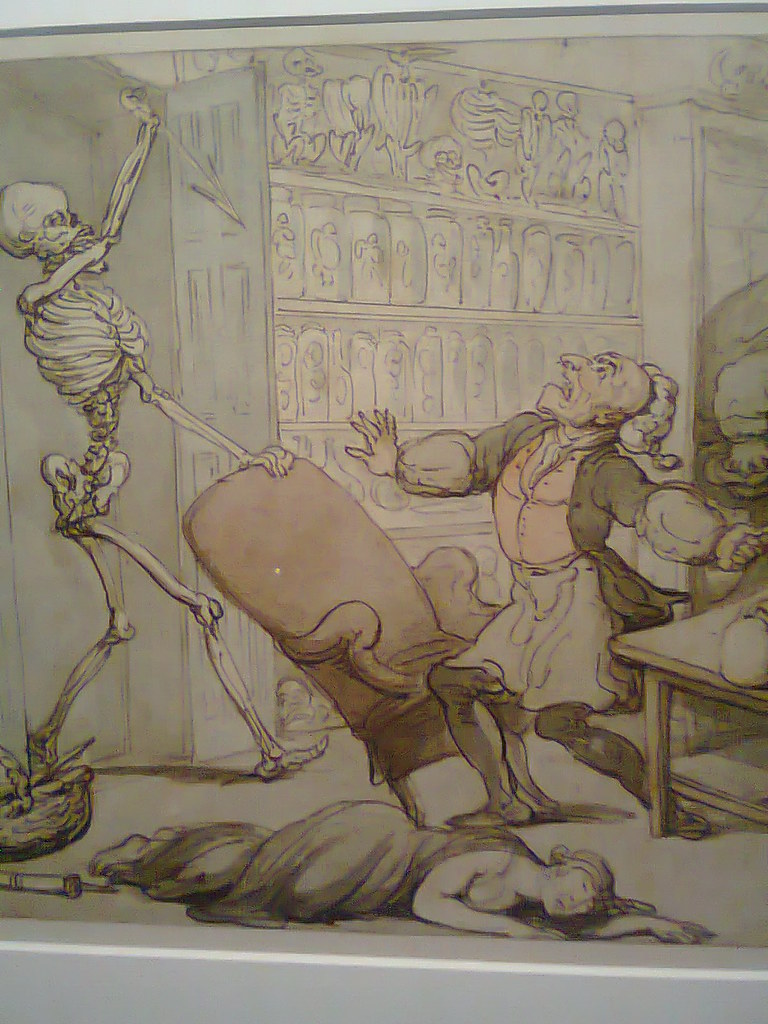
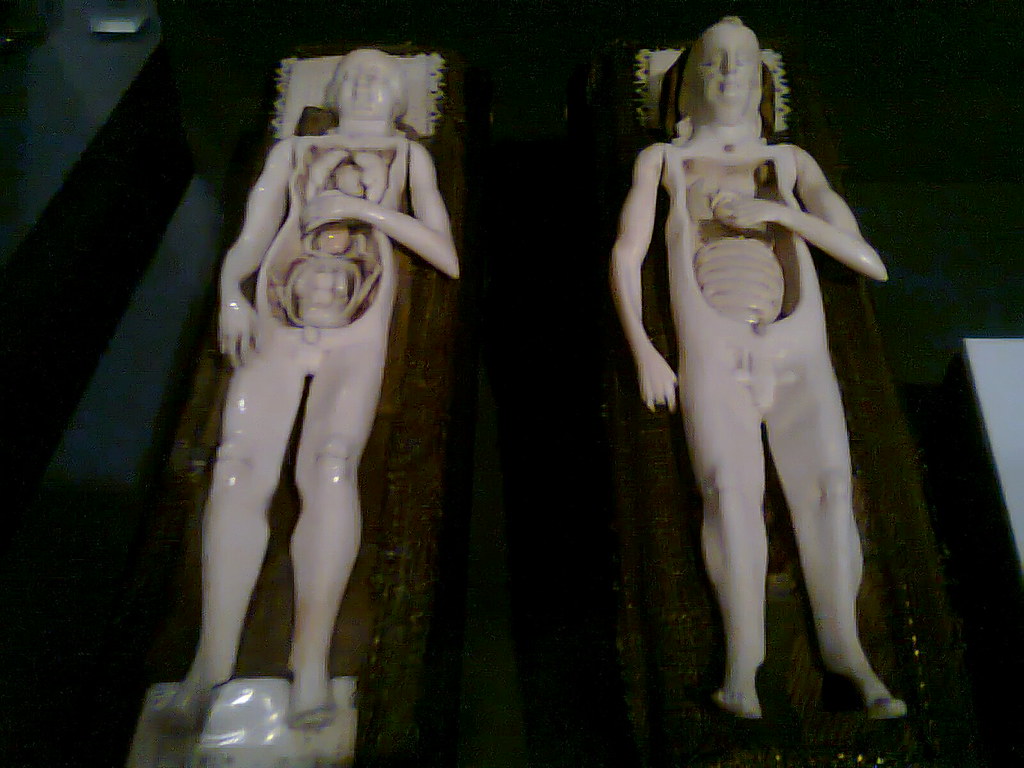
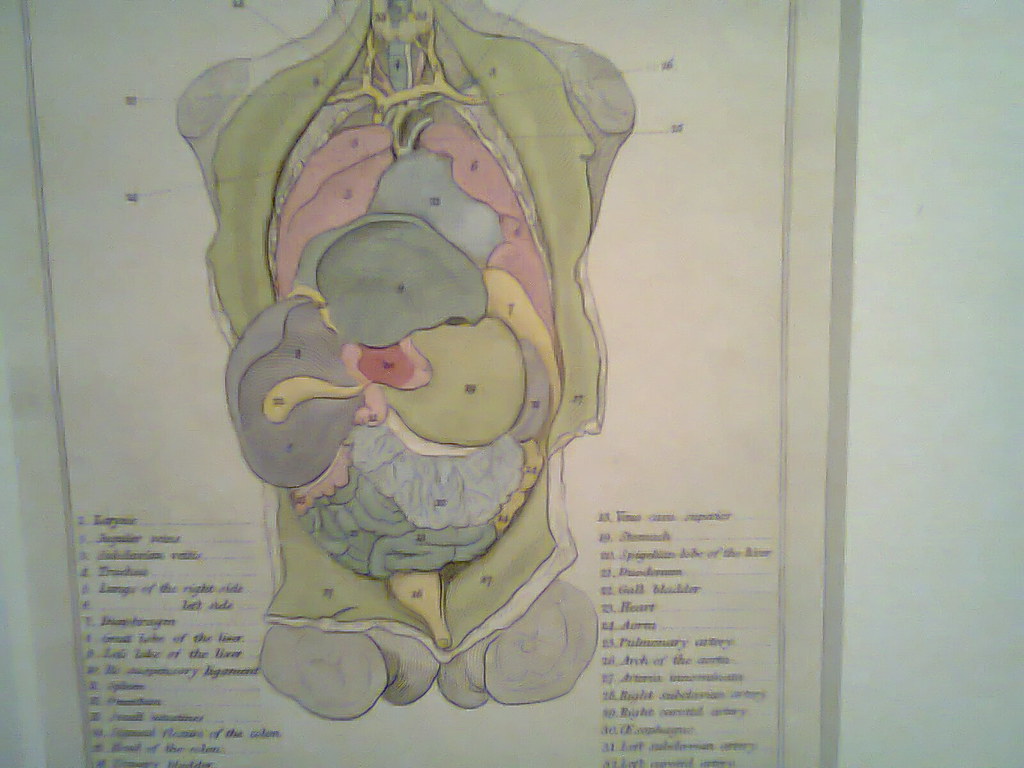
As you can probably imagine, the best way to learn Anatomy and Surgery is on real bodies. Sure, there are pretty accurate wax models (like these we found in Florence) and some very good illustrations, but in order to be able to really learn you really have to see the real deal. In the late 1700s and 1800s bodies available for medicine faculties were scarce, so it became common practice to dig corpses out of their tombs (the fresher, the better). Of course fancy doctors or students were not going to do this, so this was an opportunity. Groups of bodysnatchers developed and organized themselves in crime and soon they were also killing people in order to supply the demand of Medical schools. This resulted in scandals, polemic, and ended in the creation of a new law, The Anatomy Act of 1832, which intended to regulate this situation: "the law gave freer license to doctors, teachers of anatomy, and bona fide medical students to dissect donated bodies." It was promulgated in reaction to public fear and revulsion of the illegal trade in corpses.
It is interesting that these controversial practices made their way into literature classics as well, Charles Dickens wrote about resurrection man in "Tale of two cities", H.P. Lovecraft wrote about body snatchers in "The case of Charles Dexter Ward" and "Herbert West Reanimator". Mary Shelley was said to also be somewhat inspired by resurrection men when writing "Frankenstein".
If you are interested you can visit this exposition at the Museum of London until April 14. (150 London Wall, London)
Subscribe to:
Posts (Atom)